Viewpoints · Era 1800s
Dubai Creek Edge
Where the district meets Dubai Creek, the city's whole story comes into view. Abras shuttle across the water as they have for a century, dhows ride at anchor, and the breeze carries gulls and salt. This khor — the sheltered inlet — is the reason Dubai exists at all: pearls sailed out to the world from here, and cloth and spices sailed in from India and East Africa. Stand at the railing at sunset and watch Deira light up across water the colour of hammered brass.
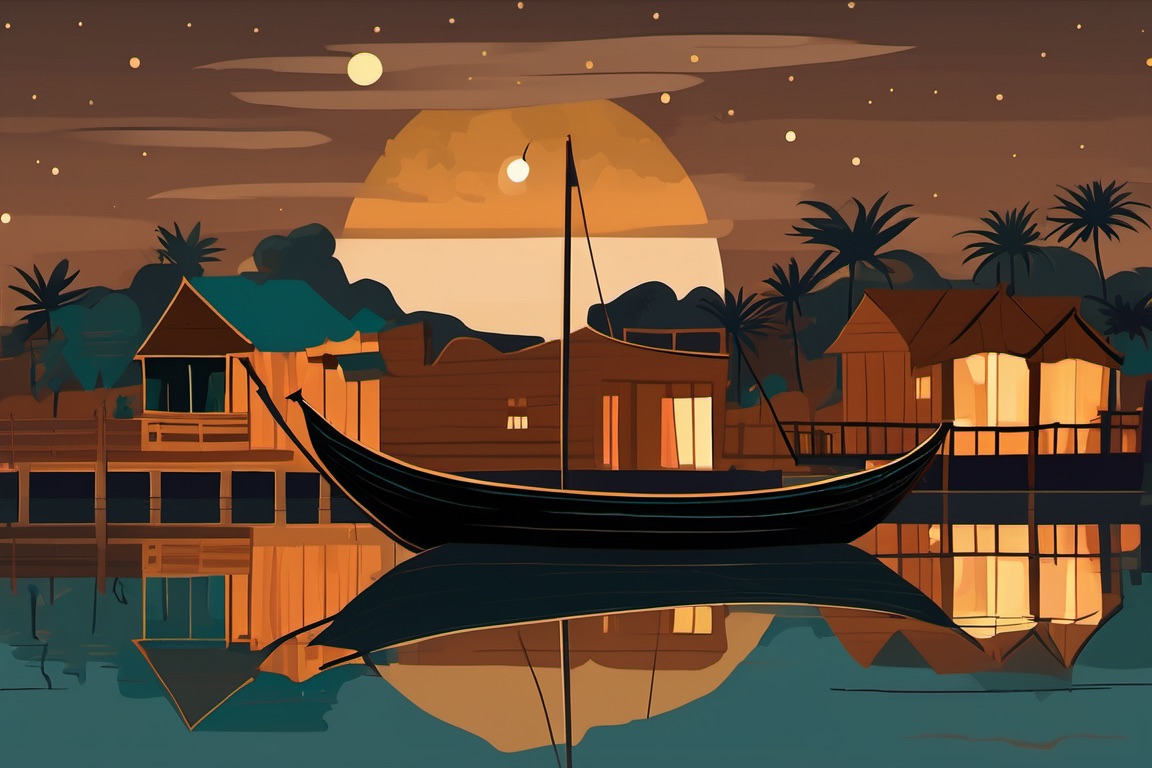
The Creek Edge: The Saltwater River That Gave Birth to Dubai
Stand here at the edge of Dubai Creek, just north of Al Fahidi's lanes, and you are looking at the reason the entire city exists. This saltwater inlet, reaching in from the Arabian Gulf, was the natural harbour on which Dubai was founded. From here, pearling boats sailed out for the long summer diving seasons; to here, wooden dhows returned loaded with cargo from the ports of India, Persia and East Africa; and along both banks grew the souks that made Dubai's name echo across the Indian Ocean world. Watch the abras — the small wooden ferries that still carry passengers between Bur Dubai and Deira, exactly as they did before the first bridge crossed the creek in 1963. They are the city's oldest form of public transport, and they have never stopped running. In 1961 the creek was dredged to welcome larger vessels — one of the earliest bold decisions that set the stage for Dubai's modern commercial rise. Come at sunset if you can: the water turns to molten copper, the cries of gulls tangle with the putter of abra engines, and you see with your own eyes the scene that has always summed up Dubai — a city with its face to the sea and its back to the desert, living off the movement between the two. Then turn around: the wind towers of Al Fahidi stand right behind you, built by the very merchants this water made wealthy.