Cafés · Era early 1900s
Arabian Tea House
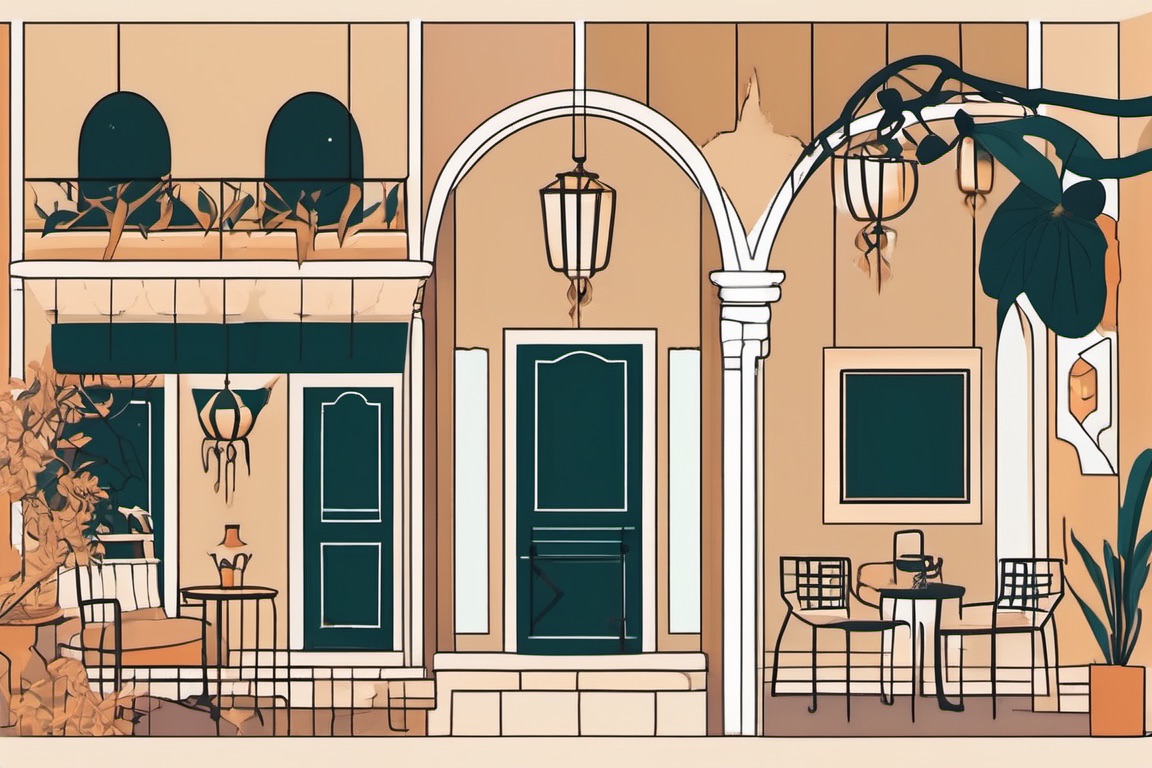
White rattan chairs, turquoise cushions and lace curtains fill the courtyard of this beloved café, opened in 1997 as the Basta Art Café and now known across the city as Arabian Tea House. The menu runs from Emirati breakfast trays of balaleet and chebab to well over a hundred teas, all served in the shade of an old heritage house. This is where Al Fahidi slows down — teapots clinking, sparrows hopping between tables, shadows lengthening at their own pace.
Breakfast in a Merchant's Courtyard
Under white sheer curtains and touches of turquoise blue, in the courtyard of a heritage house, Dubai serves one of its most beloved breakfasts. The Arabian Tea House opened in 1997 — it was known for years as the Basta Art Café — making it a pioneer of the district's revival, welcoming guests long before Al Fahidi became the polished heritage quarter it is today.
The story behind it is personal. Founder Ali Al Rais, whose grandfather was a pearl diver, spent decades in aviation travelling the world, then came home wanting to show visitors what Emiratis actually eat at home. The result was a menu of dishes that rarely appeared in restaurants at the time — balaleet (sweet saffron vermicelli topped with an omelette), chebab pancakes, khameer bread warm from the tanoor oven, chickpea dango — alongside a list of teas, coffees and drinks that runs to around a hundred and fifty kinds.
Come in the morning if you can, when the courtyard is cool and the light filters gently through the curtains. Order the Emirati breakfast tray for two, add a pot of sweet milky tea, and let the morning stretch out at its own pace.
This is more than a café; it is heritage you can taste, bite by bite — the flavours of Old Dubai, served in the neighbourhood where they belong.